
Key Takeaways
- Cannabis edible labels split across a front display panel and an informational panel.
- Milligrams appear twice on a multi-serving package: per serving and per package.
- A package marked 100mg usually holds ten 10mg pieces, not one 100mg unit.
- Serving and package limits are set by each state and differ between markets.
- The THC warning symbol is a state-mandated mark, not brand artwork.
- Batch numbers connect a package to its laboratory testing documentation.
- Most of what is printed on the package is there because a regulation requires it.
A bag of gummies carries more printed information than most items in a grocery store. Milligram figures, a warning symbol, a license number, a batch code, an ingredient list, dates, and a net weight all compete for space on a package smaller than a paperback.
Almost none of it is marketing. In every regulated market, most of what appears on a cannabis edible package is there because a state regulator requires it. Some states specify the minimum size of the warning symbol.
That makes the label useful once you know how it is organized. This guide walks through the fields on a compliant edible package, what each one tells you, and how to check the numbers against lab results.
The specifics differ by state. The structure does not, and that is what this guide covers. This article is educational and is not medical advice. Adults 21 and over in legal markets only.
The Two-Panel Structure
Most states organize cannabis labels across two panels rather than one.
The primary display panel is the front. It is the face you see on the shelf. The informational panel carries the supporting detail and usually sits on the back or the side.
The split is deliberate. The front holds the small number of things a regulator wants visible at a glance. The back holds everything needed for traceability and ingredient disclosure.
Knowing which panel you are looking at tells you what to expect to find on it.
What Appears on the Front
Four elements carry the most weight.
Product identity comes first. The package states plainly that the item is cannabis or a cannabis product. That is why even a heavily branded package says what it is in plain words.
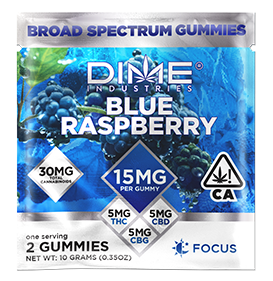
The THC warning symbol comes next. Regulated markets require a standardized warning mark. Each state sets the design, and several use a triangle containing an exclamation point paired with the letters THC. States specify minimum size, color contrast, and placement. The symbol has to stay legible independent of the surrounding artwork. Some states require the mark on individually wrapped pieces as well as the outer package.
Net weight or volume lists the physical weight of the contents.
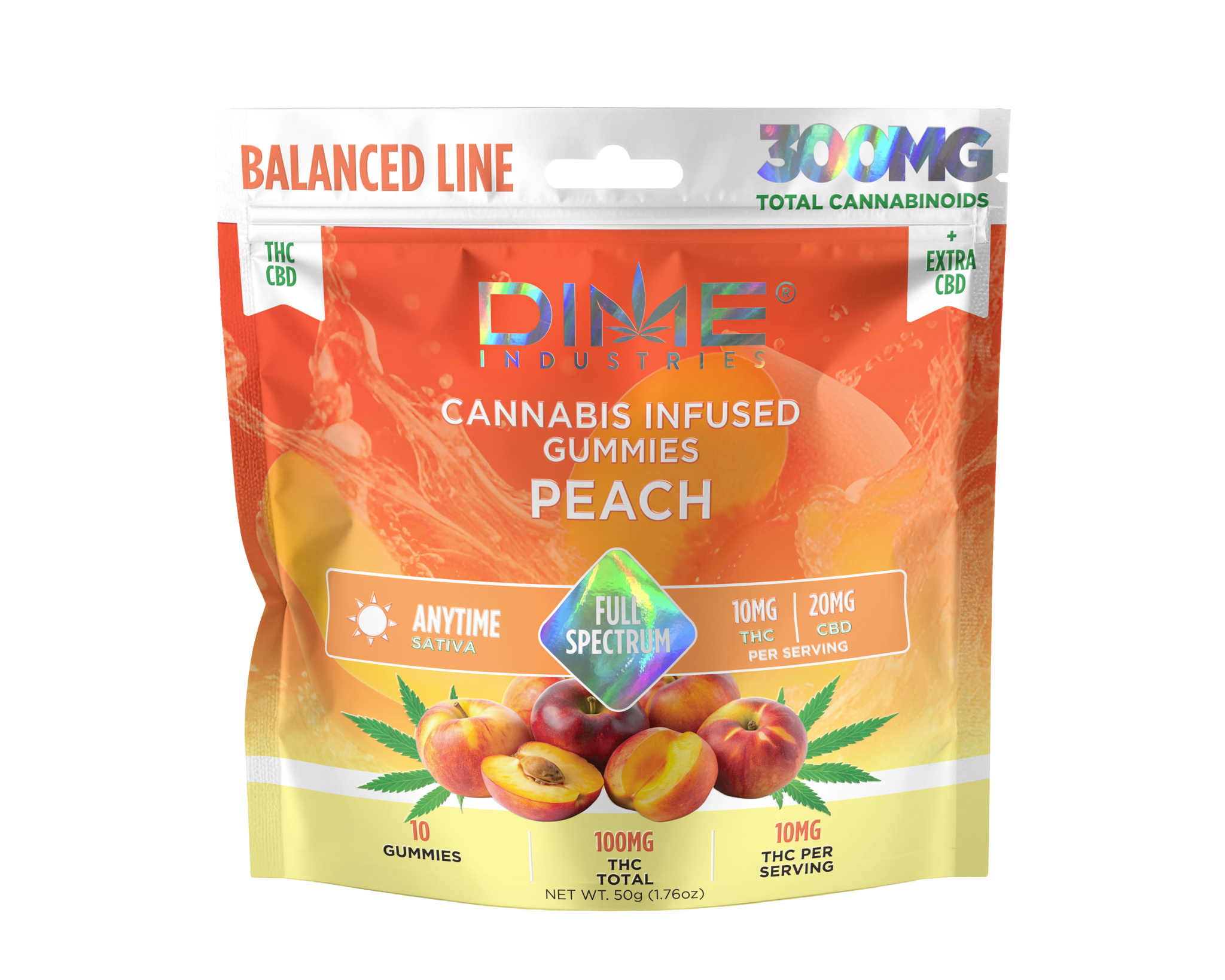
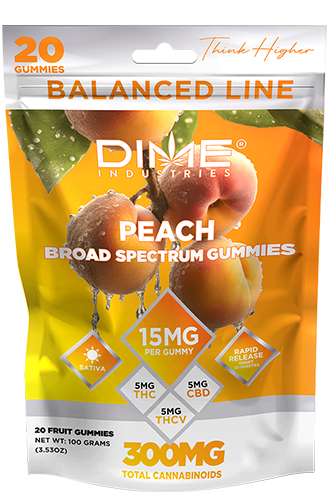
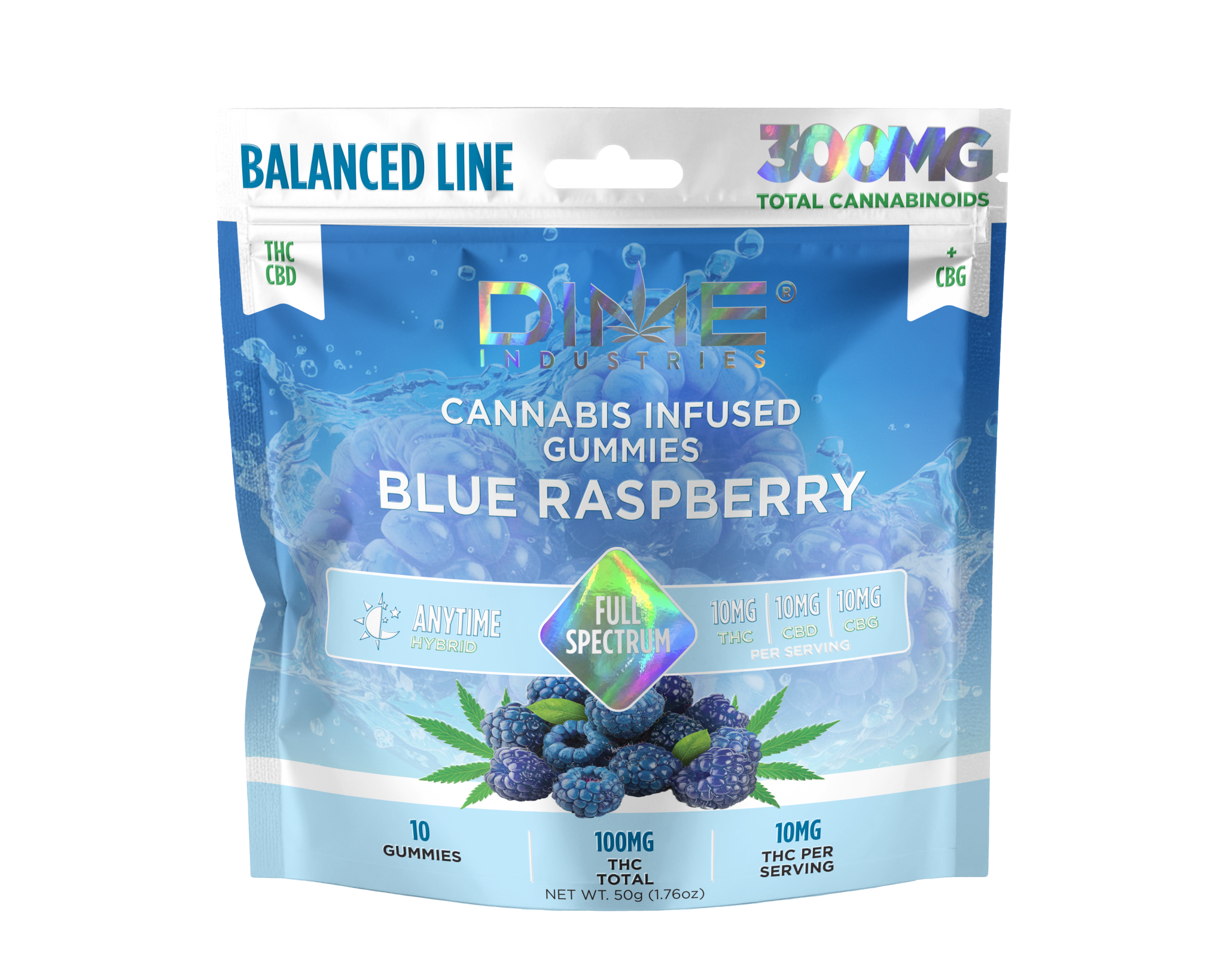
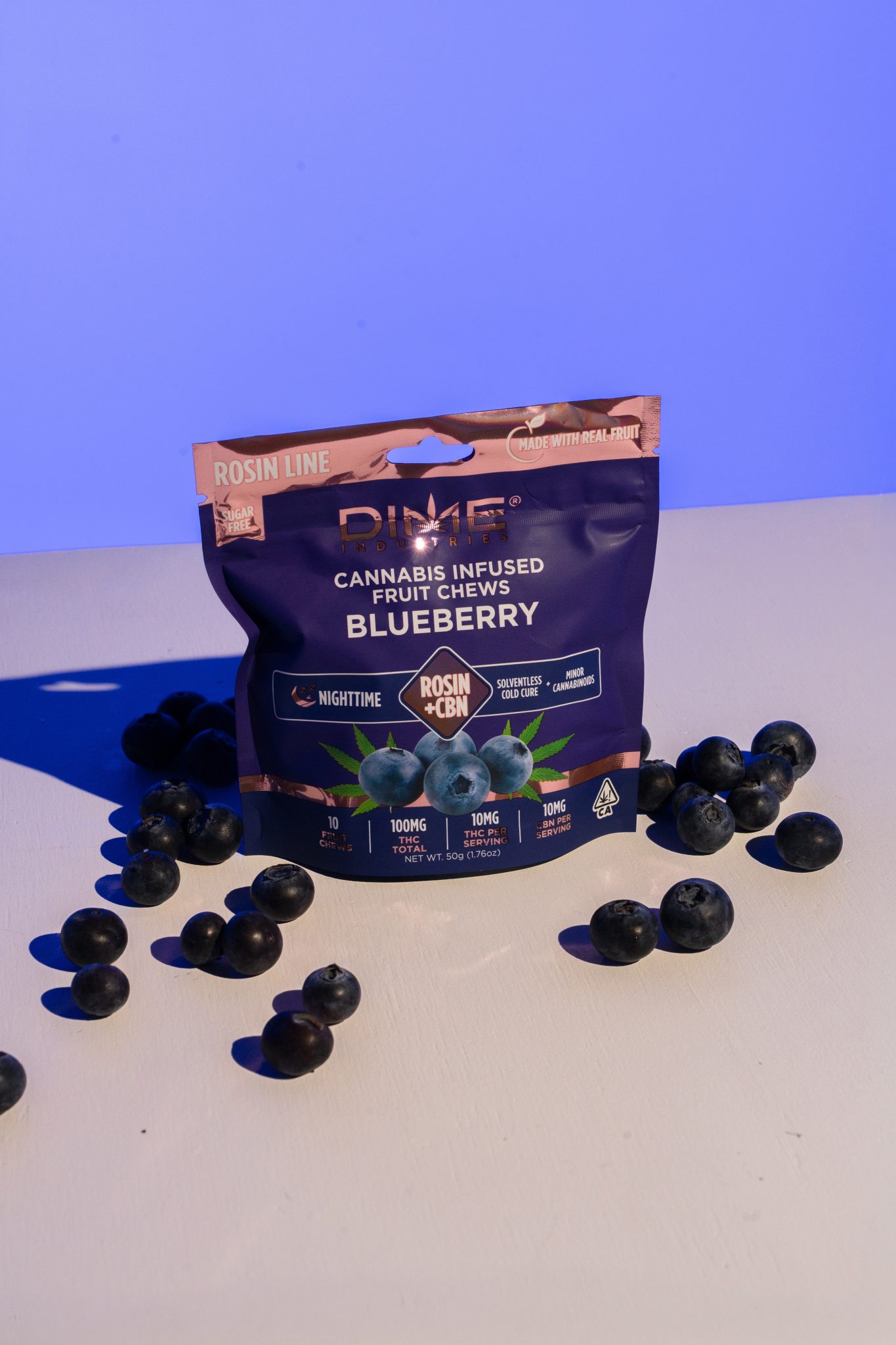
THC and CBD content appears in milligrams. On a multi-serving edible, it appears twice: per serving and per package.
That last field is the one worth slowing down on.
Milligrams Per Serving vs. Per Package
Every multi-serving edible carries two milligram figures. They describe different things.
Milligrams per serving is the content of one piece. One gummy, one chew, one softgel, or one marked square of a chocolate bar.
Milligrams per package is the total across everything inside. It is the per-serving figure multiplied by the piece count.
So a package marked 100mg holds ten servings of 10mg. It does not hold a single 100 mg edible unit. Many states require solid edibles to be divided into distinct servings so the math is visible on the shelf.
This is the single most common point of confusion in the category, and the label answers it directly once you know where to look.
The Standard Edible Dosing Chart
Most regulated edibles fall into a small set of per-piece tiers. The chart below shows how those tiers stack up across a package.
| Per piece | Common format | Pieces per package | Package total |
| 2.5mg | Low-dose gummy or chocolate square | 40 | 100mg |
| 5mg | Gummy, chew, or mint | 20 | 100mg |
| 10mg | Gummy, chew, or softgel | 10 | 100mg |
| 15mg | Hemp-derived gummy | 30 | 450mg |
| 20mg | Softgel or capsule | 20 | 400mg |
| 30mg | Multi-cannabinoid gummy or softgel | 10 to 30 | 300mg to 900mg |
Two notes on reading this chart.
First, per-piece and package totals are both capped, and this is where state rules diverge most. Among states with potency limits, 10mg per serving is the most common ceiling. Several set it at 5mg or close to it. Package totals are commonly capped at 100mg, with some states lower and a few higher. Medical programs often run under different limits than adult-use.
Second, a higher package total does not always mean a higher per-piece figure. A 900mg bottle of 30 gummies and a 300mg bag of 10 gummies can carry the same amount in each piece. Check the per-serving line, not the number on the front badge.
The practical result is that the same brand’s product may be formulated differently depending on where it is sold. Check your state regulator for the limits that apply where you are buying.
Total Cannabinoids vs. THC
A per-piece figure does not always refer to THC alone.
Products built with more than one cannabinoid list each compound by name. CBD, CBN, CBG, and THCV are distinct compounds. They appear under their own names rather than folded into a THC figure.
So a piece listed at 30mg total cannabinoids may hold 10mg THC alongside 20mg of other compounds. A piece listed at 30mg THC is a different product entirely. The informational panel breaks out the split.
Read both lines before you compare two packages.
How DIME Lists Milligrams Across Its Edibles
Every DIME edible prints a per-piece figure and a package total. The chart below shows how the lineup is structured.
| Product | THC per piece | Total cannabinoids per piece | Count | Package total |
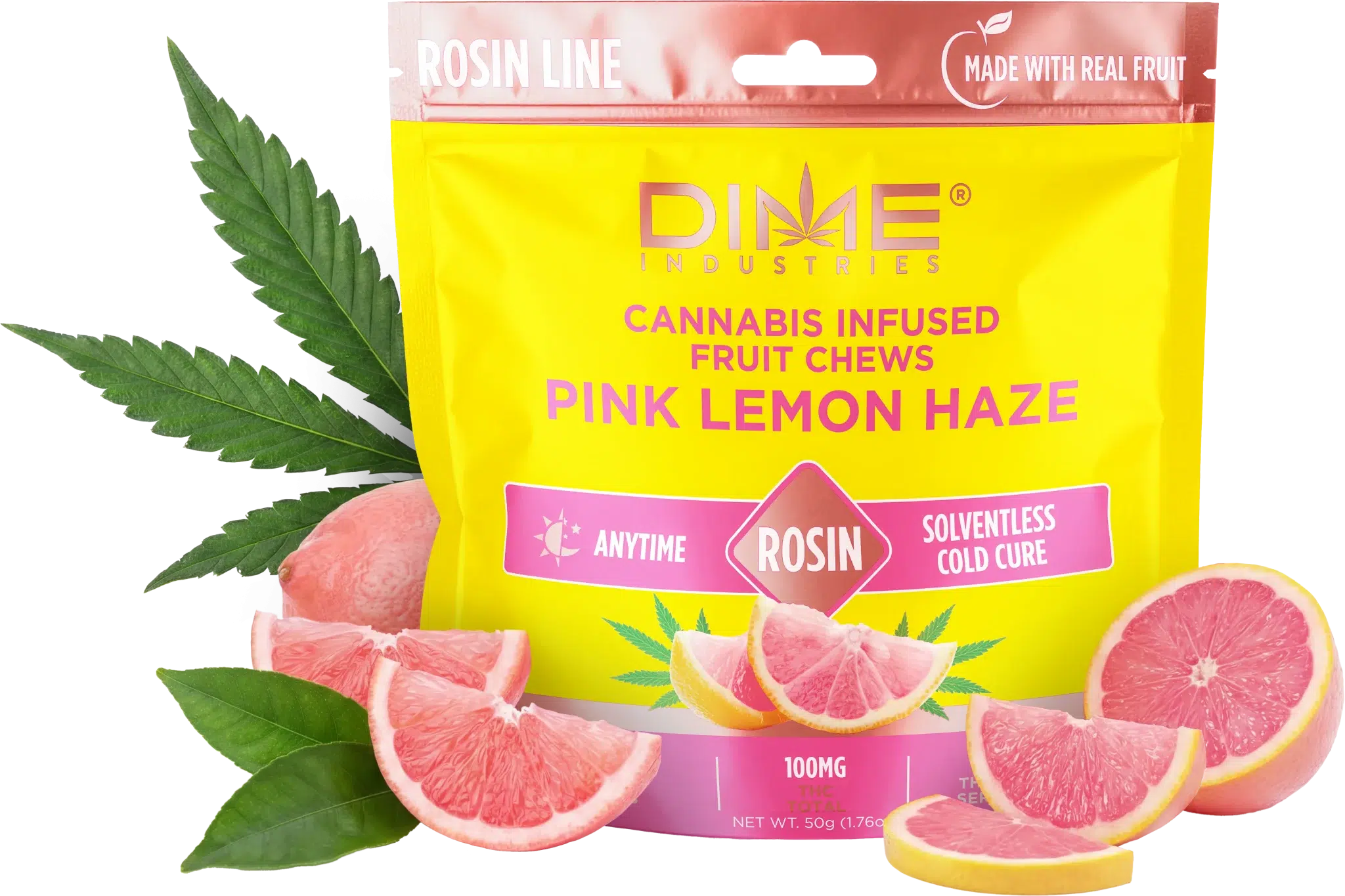
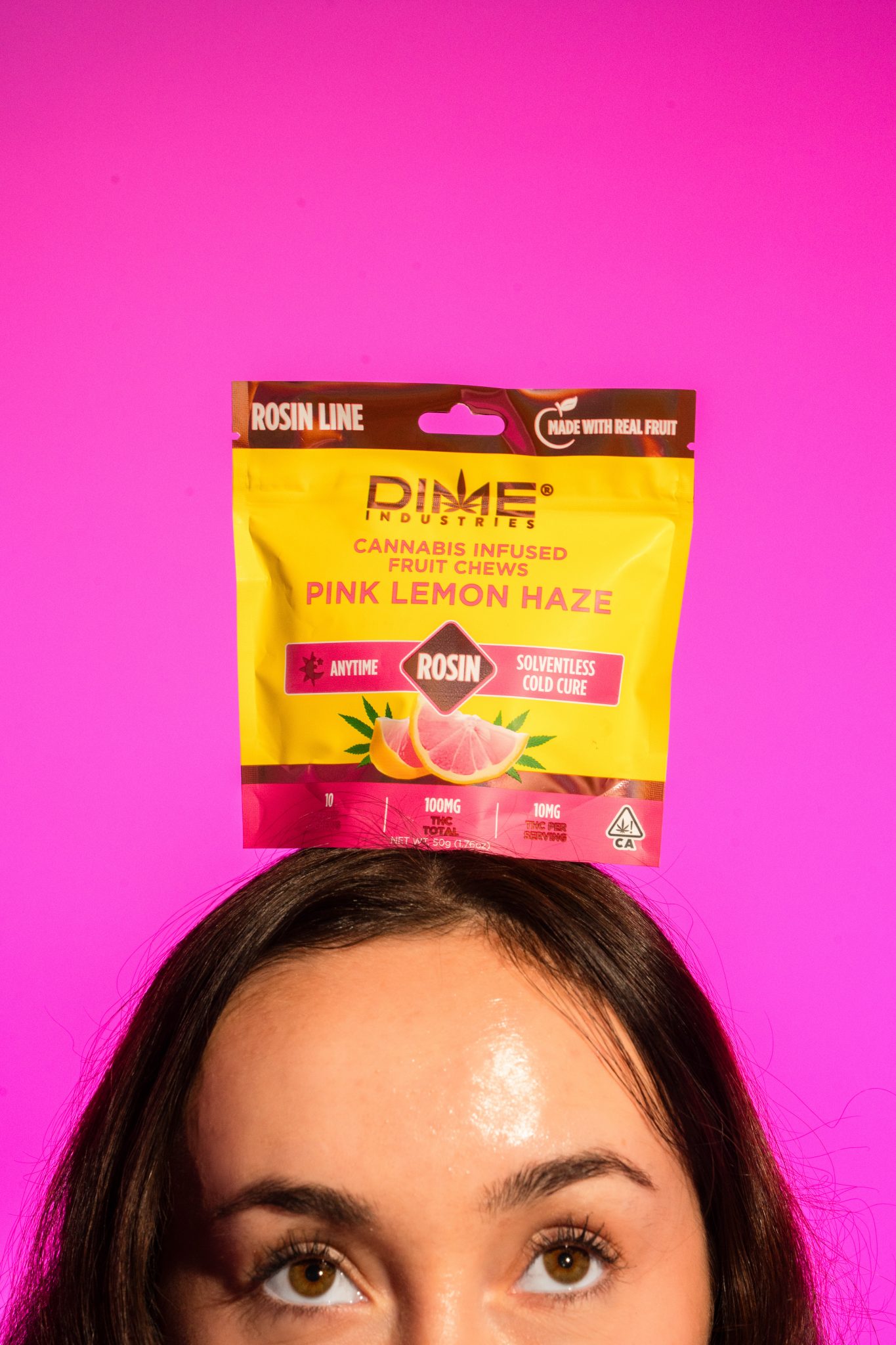
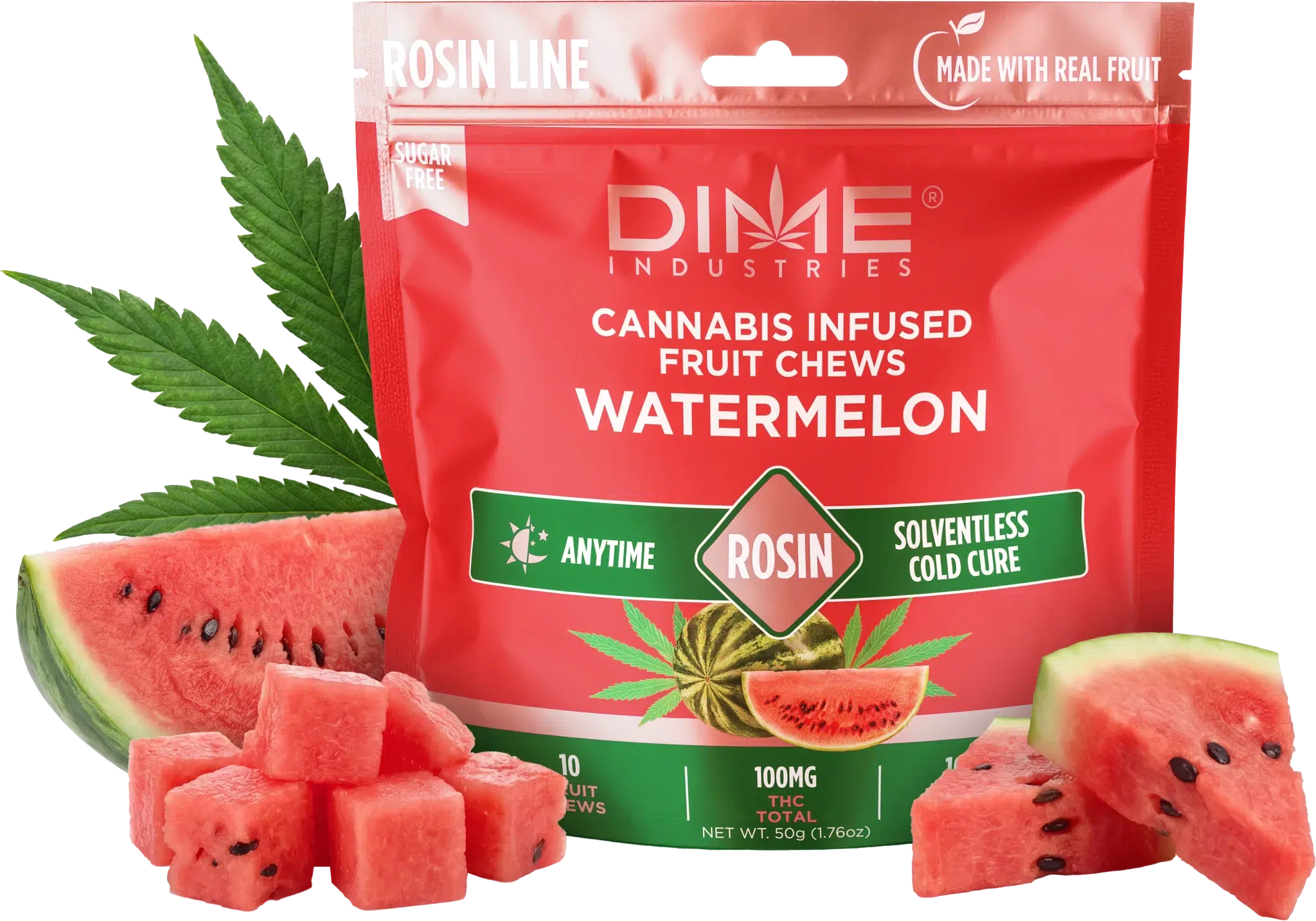
| Rosin Fruit Chews (Rosin Line) | 10mg | 10mg | 10 chews | 100 mg edible (THC) |
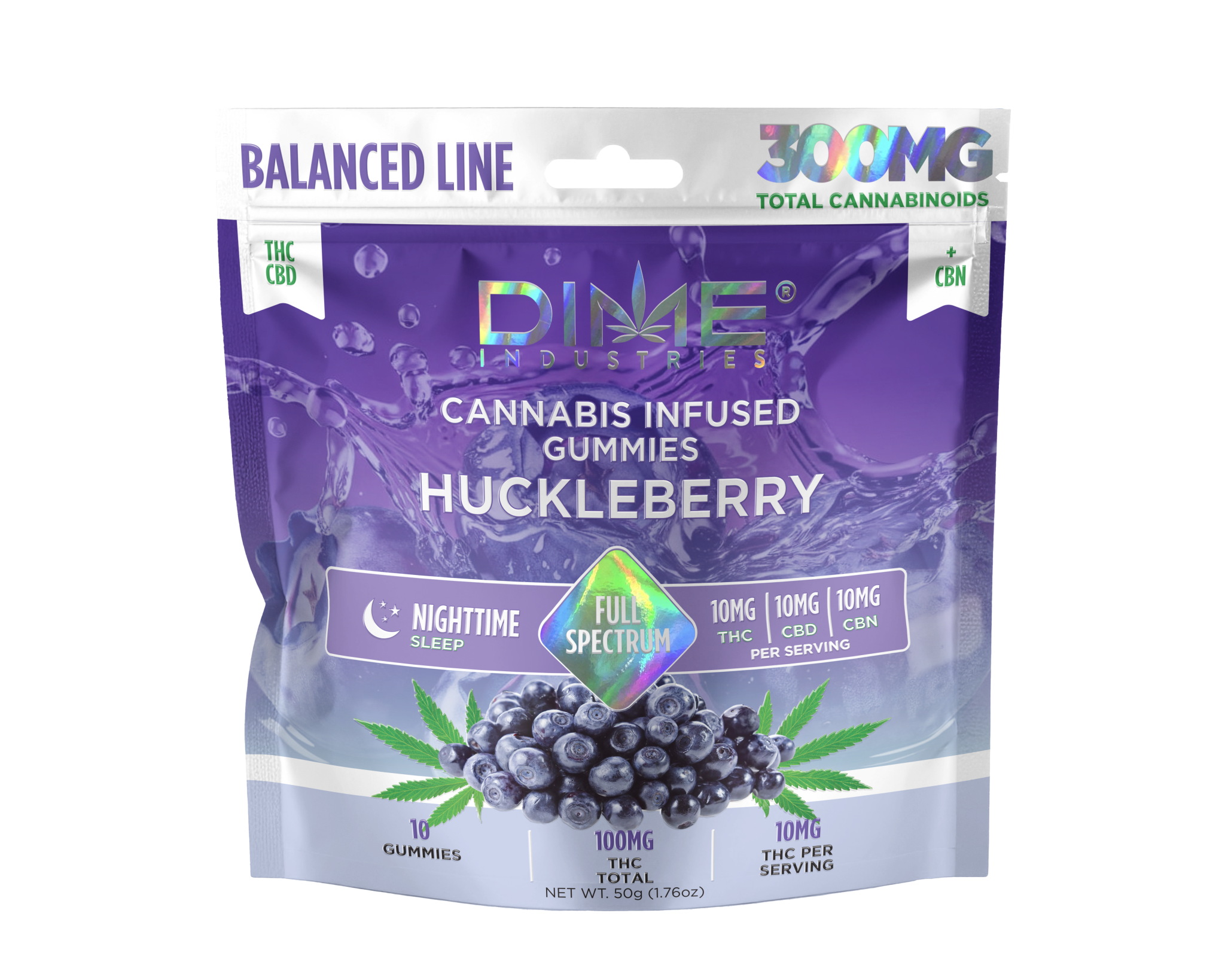
| THC Gummies (Balanced Line) | 10mg | 30mg | 10 pieces | 300mg |
| THC Softgels (Balanced Line) | 10mg | 30mg | 20 softgels | 600mg |
| Hemp THC Gummies (Balanced Line) | 15mg | 30mg | 30 gummies | 900mg |
| CBD Gummies (Balanced Line) | THC-free | 40mg | 30 gummies | 1,200mg |
The Rosin Fruit Chews are the simplest case. Ten chews, 10mg of THC in each, 100mg in the bag, and the package total is the per-piece figure times ten.
The Balanced Line products work differently. Each piece pairs THC with CBD and minor cannabinoids, so the total cannabinoid figure runs higher than the THC figure. The label lists each compound separately.
The CBD Gummies carry no THC at all. They are built for people who want cannabinoid content without it, and the label says so on the front.
Every one of these figures traces back to a batch-level certificate of analysis, which is the next thing to check.
How to Verify a Product’s Lab Results
The milligram figures on a label are not self-reported estimates. They come from a certificate of analysis, or COA, issued by a licensed testing laboratory. The label is required to reflect those results.
A COA reports the cannabinoid profile for a specific batch along with contaminant screening. Required screens vary by state. They commonly include pesticides, residual solvents, heavy metals, microbial contaminants, mycotoxins, and moisture content. Products have to pass before they can be sold.
To check one, find the batch number on the package. Then look that batch up on the brand’s site or through the QR code on the package. You are confirming two things: the batch code on the package matches the code on the document, and the cannabinoid figures line up with what is printed.
DIME lists testing results on the side panel of every official package and publishes them in the Product Test Results section of the site. A brand that makes batch-level testing easy to find is telling you something about how it operates.
What Appears on the Informational Panel
The back of the package handles traceability and disclosure.
The licensee name and license number identify the licensed business responsible for the product. Most states maintain a public license lookup where the number can be verified.
The batch or lot number ties the package to a specific production run and its laboratory testing.
Manufacture and expiration dates cover the production run.
A full ingredient list is required for manufactured products. It typically runs in descending order by weight, the same convention used on conventional food packaging.
An allergen statement calls out major allergens where present.
A warning statement carries standardized language set by the state. It generally includes a statement about keeping the product away from children and animals. The exact wording differs noticeably between markets.
A track-and-trace identifier links the package to the state’s seed-to-sale tracking system.
None of these fields are optional, and none are brand choices.
Packaging Requirements You Can See
Some requirements show up as physical properties rather than printed text.
Child-resistant packaging is effectively universal across regulated markets. Most states reference the federal Poison Prevention Packaging Act standard. Tamper-evident packaging, so that opening is visible, is close to universal as well.
Beyond those two, requirements vary. Many states require edible packaging to be opaque, so the product is not visible through the package. Many require any package holding more than one serving to be resealable and to stay child-resistant after opening. Some require products to leave the store in opaque exit packaging.
There are also restrictions on appearance. States commonly prohibit packaging that imitates conventional food products. They also prohibit imagery, cartoons, or language considered appealing to children. Several prohibit edibles shaped like humans, animals, insects, or fruit.
Reading a Label in Practice
A quick pass through a package, in order:
- Confirm the THC warning symbol is present.
- Read milligrams per serving, then milligrams per package, and check the math against the piece count.
- Note which cannabinoids are listed by name.
- Find the licensee name and license number.
- Find the batch number and locate the matching COA.
- Scan the ingredient list and allergen statement.
- Check the manufacture and expiration dates.
Seven fields, most of them on the back, and nearly all of them printed because a regulation says they must be.
Frequently Asked Questions
What does mg per serving mean on an edible package? It is the THC content of a single piece. The per-package figure is that number multiplied by the count inside.
What is the maximum THC allowed in an edible? It depends on the state. Among states with potency limits, 10mg per serving and 100mg per package are the most common ceilings, but several states set lower limits and medical programs often differ from adult-use. Your state regulator publishes the applicable figures.
What is the triangle symbol on cannabis packaging? It is a state-required THC warning mark. Several states use a triangle containing an exclamation point alongside the letters THC, with size, contrast, and placement specified by regulation.
What is a COA? A certificate of analysis, issued by a licensed testing laboratory for a specific production batch. It reports cannabinoid content and contaminant screening results, and the label’s figures are required to reflect it. DIME’s are published in the Lab Results database.
Why is there a batch number on my edibles? It links the package to a specific production run and its testing documentation, and supports state track-and-trace systems.
Are CBN and CBD listed separately from THC? Yes. Cannabinoids are identified individually on the label rather than combined into a single figure.
Why is edible packaging opaque in some states and not others? Packaging rules are set state by state. Child-resistant and tamper-evident requirements are close to universal, while opacity, resealability, and exit packaging requirements differ between markets.
More answers are on the DIME FAQ page.
The Label Is the Spec Sheet
The printing on a cannabis package is a specification sheet. Two milligram figures, a license number, a batch code, a warning symbol with a mandated size, and a list of ingredients, each one placed there by a rule.
The numbers themselves change from state to state. The structure holds. Once the layout is familiar, the label stops being clutter and starts being the most reliable information available about what is in the package.
This article is educational and describes cannabis labeling and packaging requirements in general terms. It is not medical advice. Requirements are set state by state and are updated periodically. Your state’s cannabis regulator is the authoritative source for the rules that apply where you are. Adults 21 and over in legal markets only. Follow the cannabis laws in your state.
Know What You’re Looking At
DIME Industries prints milligram content on every package and makes batch-level lab results available for each production run. Browse the edibles lineup to compare per-piece figures across the Rosin Line and Balanced Line. Order hemp gummies online, or use the store locator to buy DIME edibles from a licensed retailer near you. Adults 21+.